Melting Scrap Export in Containers: A Practical Guide for UK Suppliers
Exporting melting scrap in containers has become an increasingly attractive option for UK scrap suppliers looking to access stronger international pricing and consistent demand.
With global steel producers relying heavily on scrap-based production, particularly through Electric Arc Furnace (EAF) technology, the demand for quality melting scrap continues to grow. For suppliers, this presents an opportunity to move material efficiently and profitably into overseas markets.
This guide explains how melting scrap export works, what buyers are looking for, and how suppliers can maximise value.
What Is Melting Scrap?
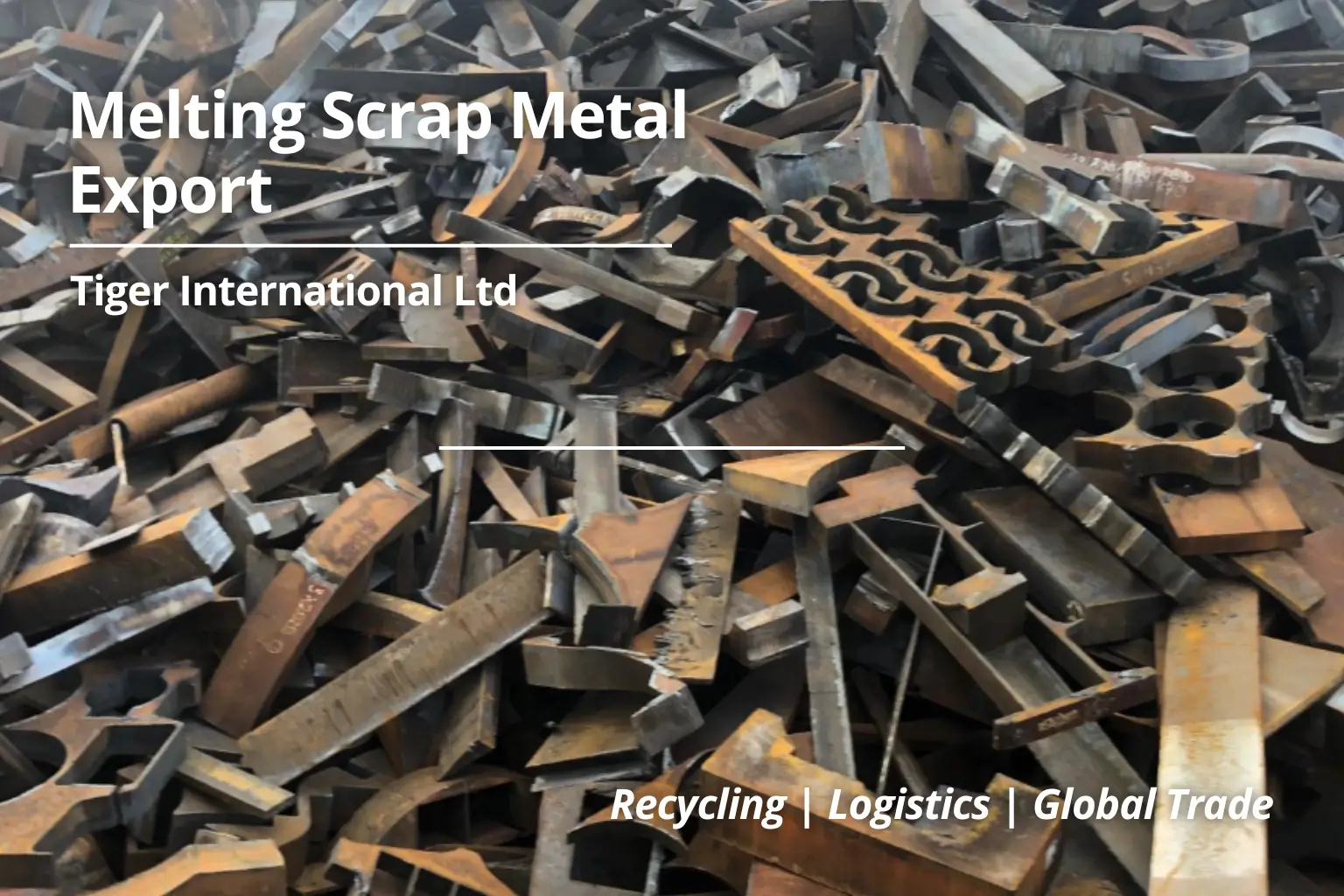
Melting scrap refers to ferrous scrap that is suitable for direct use in steelmaking furnaces. Common grades include:
- HMS 1 & 2 (Heavy Melting Steel)
- Shredded scrap
- Plate and structural scrap (P&S)
- Bonus-grade industrial scrap
These materials are widely used by steel mills due to their consistency and suitability for melting processes.
For export, quality and preparation are critical. Buyers expect material that meets specification, is free from excessive contamination, and is properly processed for furnace use.
Why Export Melting Scrap in Containers?
While bulk vessel shipments are common for large volumes, containerised export offers several advantages—particularly for small to mid-sized suppliers.
1. Access to Global Markets
Exporting in containers allows suppliers to sell directly into high-demand regions such as South Asia, the Middle East, and Southeast Asia, where scrap demand is strong and often priced higher than domestic markets.
2. Better Price Realisation
International buyers frequently pay a premium for consistent, well-prepared scrap. By exporting, suppliers can benefit from global pricing rather than relying solely on local yard rates.
3. Flexibility in Volume
Container shipping allows suppliers to move smaller volumes (typically 20–27 tonnes per container), making export accessible without needing bulk vessel quantities.
4. Regular Shipment Flow
Containers enable a steady flow of shipments rather than waiting to accumulate large tonnages, improving cash flow and stock turnover.
How the Process Works
Exporting melting scrap in containers is a structured process that, when managed correctly, is straightforward and efficient.
Step 1: Sourcing and Preparation
Material must be sorted, processed, and prepared according to export specifications. This includes:
- Removing non-metallic contamination
- Cutting oversized pieces
- Ensuring compliance with buyer requirements
Step 2: Container Loading
Scrap is loaded into shipping containers, typically 20ft units, with careful attention to:
- Weight limits (to maximise payload without exceeding regulations)
- Even distribution of material
- Safe and secure loading practices
Step 3: Documentation and Compliance
Export shipments require accurate documentation, including:
- Commercial invoice
- Packing list
- Waste classification (where applicable)
- Shipping instructions
Compliance with UK export regulations is essential, particularly when dealing with waste-derived materials.
Step 4: Shipping and Delivery
Containers are transported to port, shipped to the destination country, and delivered to the buyer or steel mill.
Working with an experienced export partner ensures smooth handling at every stage.
What Buyers Are Looking For
International buyers of melting scrap prioritise:
- Consistency – uniform material across shipments
- Cleanliness – minimal contamination
- Correct grading – adherence to agreed specifications
- Reliable supply – ability to deliver regularly
Suppliers who meet these criteria often build long-term relationships and achieve better pricing over time.
Common Mistakes to Avoid
Suppliers new to export often encounter avoidable issues, including:
- Incorrect grading or mixed materials
- Poor loading practices reducing container weight efficiency
- Incomplete or inaccurate documentation
- Lack of understanding of buyer specifications
These issues can lead to price reductions, rejected shipments, or delays.
Why Work with an Export Partner?
Exporting scrap metal involves logistics, finance, compliance, and market knowledge. Partnering with an experienced trader simplifies the process and reduces risk.
Tiger International Ltd works closely with UK suppliers to:
- Source and purchase melting scrap for export
- Provide access to international buyers
- Manage container logistics and shipping
- Ensure compliance with export requirements
- Deliver competitive pricing based on global markets
- Cash flow the full transaction – scrap yards get paid quicker
This allows suppliers to focus on sourcing and processing material while benefiting from export opportunities.
Conclusion
Melting scrap export in containers offers UK suppliers a practical and profitable route into international markets.
With strong global demand, flexible shipping options, and the potential for improved pricing, containerised export is becoming an essential part of modern scrap trading.
For suppliers looking to maximise value and expand beyond domestic buyers, exporting melting scrap is a strategy worth considering.
Call to Action
If you are a scrap supplier with melting scrap available, Tiger International Ltd is actively purchasing material for export.
Get in touch today to discuss current pricing, specifications, and shipment opportunities.