How Large-Scale Investors Can Generate Returns in Scrap Metal Trading
The ESG Advantage and the Case for Investing in Tiger International Ltd
Introduction
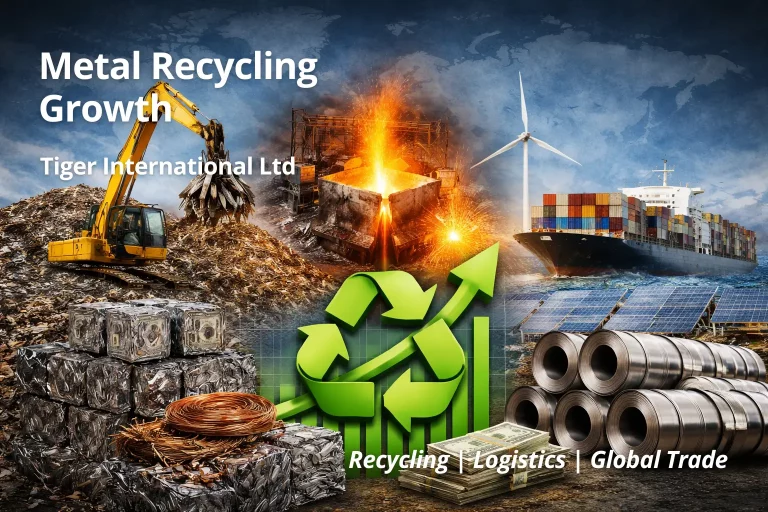
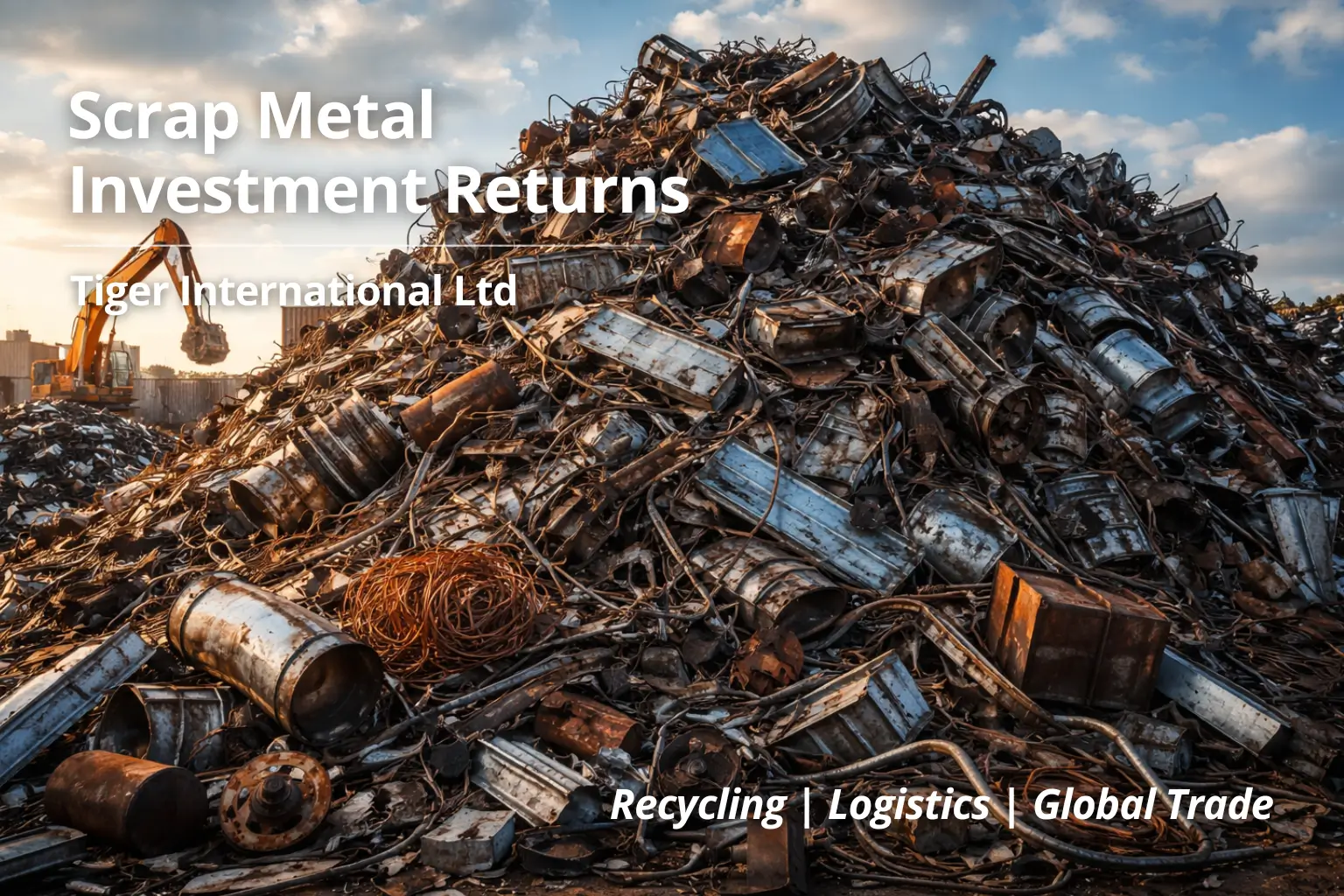
In an era where institutional capital is increasingly aligned with sustainability, scrap metal trading has emerged as a compelling intersection between profitability and environmental responsibility. Once viewed as a fragmented, traditional industry, the global scrap metal trade is now a strategic asset class—offering strong cash flow, inflation protection, and measurable ESG impact.
For large-scale investors seeking both returns and responsible capital allocation, investing in established trading firms such as Tiger International Ltd presents a unique opportunity.
1. The Investment Case: Why Scrap Metal Trading Delivers Strong Returns
A. Commodity-Backed, Cash-Generating Model
Scrap metal is not speculative—it is tied directly to global industrial demand. Steel, aluminium, copper, and other recycled metals are essential inputs for:
- Infrastructure
- Automotive manufacturing
- Renewable energy systems
- Electric vehicles
Because recycled metals are traded on established global commodity markets, they provide:
- Transparent pricing
- High liquidity
- Consistent demand cycles
This creates reliable trading margins and repeatable transactions, unlike early-stage or speculative investments.
Additionally, scrap metal acts as a natural hedge against inflation, as commodity prices typically rise during economic expansion.
B. Structural Supply-Demand Imbalance
Global demand for metals is accelerating due to:
- Electrification (EVs, batteries, grid infrastructure)
- Renewable energy expansion
- Urbanisation in emerging markets
At the same time, mining supply faces:
- Environmental restrictions
- Geopolitical risks
- Rising extraction costs
This imbalance makes recycled metal a critical alternative supply source, increasing its long-term value.
C. High-Margin Opportunities in Specialised Scrap
Not all scrap is equal. High-value streams such as:
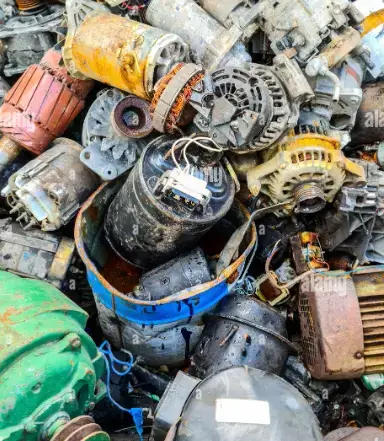
- Electric motors
- Compressors
- E-waste
- Battery materials (nickel, cobalt, lithium)
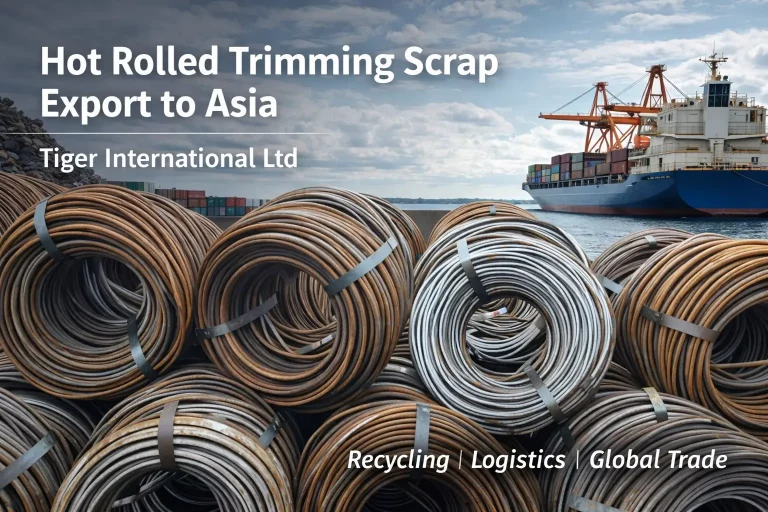
- Hot Rolled Trimming scrap metal
offer significantly higher margins when processed and exported correctly.
Experienced traders who understand grading, logistics, and global demand flows can consistently outperform basic yard operations.
2. ESG & Sustainability: A Perfect Fit for Institutional Capital
A. Measurable Environmental Impact
Scrap metal recycling delivers quantifiable sustainability benefits, making it highly attractive for ESG-focused investors:
- Up to 95% less energy required for aluminium recycling
- Around 60% energy savings for steel
- Significant reductions in CO₂ emissions
Every tonne of recycled metal directly contributes to:
- Lower carbon emissions
- Reduced mining activity
- Waste diversion from landfill
This allows investors to report clear, auditable ESG metrics—a key requirement for modern portfolios.
B. Access to ESG Capital & Green Finance
The rapid growth of ESG investing is transforming capital markets:
- ESG assets are projected to exceed $50 trillion globally
- Green bond issuance exceeded $500 billion annually
Scrap metal businesses are uniquely positioned to benefit because they:
- Deliver immediate environmental impact
- Generate stable, commodity-backed revenues
- Align with circular economy principles
This combination makes them ideal targets for:
- ESG funds
- Green bonds
- Sustainable private equity
C. Risk Reduction & Regulatory Alignment
Investing in recycling reduces exposure to:
- Carbon taxes
- Environmental penalties
- Supply chain disruption
Companies with strong ESG practices also demonstrate:
- Lower volatility
- Better long-term resilience
For institutional investors, this translates into risk-adjusted returns, not just ethical alignment.
3. Why Trading Companies Offer Superior Investment Leverage
While recycling plants and infrastructure require heavy capital, scrap trading businesses provide a more agile model:
Key Advantages:
- Asset-light structure (lower capital expenditure)
- Global arbitrage opportunities (buy low, sell high across regions)
- Fast cash conversion cycles
- Scalable operations without heavy fixed costs
Trading firms sit at the centre of the value chain—connecting suppliers, processors, and end-users globally.
This positioning allows them to:
- Capture margins across multiple stages
- Respond quickly to price movements
- Optimise logistics and market inefficiencies
4. The Case for Investing in Tiger International Ltd
Tiger International Ltd represents the type of trading platform that institutional investors seek when entering the scrap metal sector.
A. Proven Industry Expertise
With deep experience in:
- Global sourcing of scrap metal
- Export logistics to Asia and international markets
- Containerised trading operations
Tiger International operates in the highest-growth segment of the industry: international scrap flows.
B. Access to Global Demand Hubs
Asia remains the largest consumer of recycled metals, driven by:
- Manufacturing demand
- Infrastructure growth
- Energy transition projects
A trader with established export routes into these markets is positioned to capture premium pricing and consistent demand.
C. ESG-Aligned Business Model
Tiger International’s core activity—recycling and redistributing scrap metal—directly supports:
- Circular economy systems
- Carbon reduction targets
- Sustainable supply chains
This makes the company highly attractive to:
- ESG funds
- Impact investors
- Institutions under sustainability mandates
D. Scalable Growth Potential
Unlike fixed industrial assets, a trading business can scale rapidly through:
- Increased trade volumes
- Expanded supplier networks
- New export markets
- Strategic financing partnerships
With the right capital backing, a company like Tiger International can grow turnover significantly without proportional increases in overhead.
5. The Strategic Opportunity for Investors
Scrap metal trading offers a rare combination:
✔ Strong Financial Fundamentals
- Commodity-backed revenues
- High liquidity
- Inflation hedge
✔ ESG Alignment
- Measurable environmental impact
- Access to sustainable capital
- Regulatory tailwinds
✔ Growth Exposure
- Electrification and energy transition
- Global infrastructure demand
- Circular economy expansion
Conclusion
For large-scale investors, the shift toward sustainable investing is no longer optional—it is structural. Scrap metal trading sits at the heart of this transition, providing both financial returns and environmental impact.
Investing in an experienced, globally connected trader like Tiger International Ltd offers:
- Immediate exposure to the circular economy
- Strong, scalable cash flows
- Alignment with ESG and Net Zero objectives
In a world increasingly defined by resource efficiency and sustainability, scrap metal is no longer waste—it is one of the most valuable commodities of the future.