Why the Global Metal Recycling Industry Continues to Grow
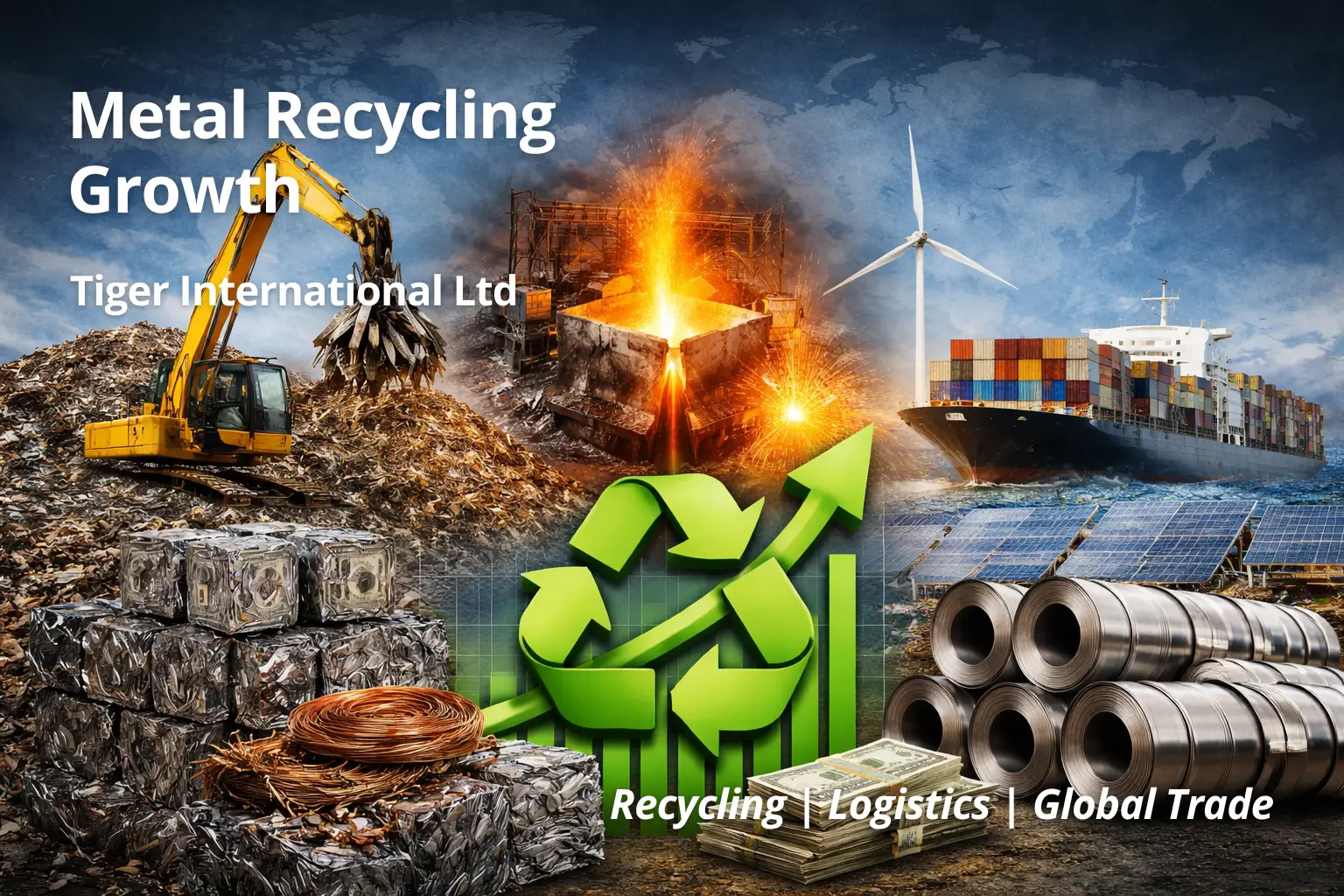
The global metal recycling industry has become one of the most important sectors supporting modern manufacturing, sustainability goals, and raw material security. As demand for metals continues to increase worldwide, recycling is playing an increasingly vital role in supplying high-quality raw materials to industry.
From steel production to electronics manufacturing, recycled metals are now essential to global supply chains. Several long-term trends are driving the continued expansion of the recycling sector.
Rising Global Demand for Metals
Metals remain the backbone of modern economies. Steel, aluminium, copper, nickel, and other metals are used across industries including construction, transportation, energy infrastructure, and manufacturing.
As populations grow and developing countries continue to industrialise, demand for these materials continues to rise. At the same time, mining alone cannot sustainably meet global demand.
Recycled metal provides a reliable and efficient solution.
Unlike many raw materials, metals can be recycled repeatedly without losing their mechanical properties. This makes scrap metal one of the most valuable secondary raw materials available in the global market.
For manufacturers, using recycled metal is often both economically and environmentally advantageous.
The Shift Toward Scrap-Based Steel Production
One of the most significant drivers of scrap demand is the increasing use of Electric Arc Furnace (EAF) steelmaking.
Traditional steel production using blast furnaces relies heavily on iron ore and coal. In contrast, EAF technology primarily uses scrap steel as its raw material input.
EAF steel production offers several advantages:
-
Lower carbon emissions
-
Reduced energy consumption
-
Greater flexibility in production
-
Increased use of recycled materials
As governments and steel producers push toward lower-carbon manufacturing processes, more steel plants are investing in EAF technology. This transition is steadily increasing global demand for quality scrap metal.
Environmental and Sustainability Pressures
Environmental considerations are another major factor driving growth in the recycling sector.
Producing metal from recycled material requires significantly less energy than producing metal from raw ore. For example:
-
Recycling aluminium can reduce energy consumption by up to 95% compared with primary production.
-
Recycling steel can reduce carbon emissions by around 50%.
As companies focus on reducing their environmental footprint and meeting sustainability targets, recycled materials are becoming increasingly important.
Many large manufacturers now prioritise recycled metals within their supply chains as part of their ESG commitments.
Scrap Metal and the Circular Economy
The global economy is gradually shifting toward a circular model, where materials are reused and recycled rather than discarded.
Metal recycling plays a central role in this system. Scrap recovered from end-of-life vehicles, construction materials, appliances, industrial machinery, and manufacturing waste can be processed and returned to production.
This reduces waste, conserves natural resources, and lowers the environmental impact of industrial activity.
Because metals can be recycled indefinitely, they are ideally suited to the circular economy model.
Scrap as a Strategic Resource
Another important trend is the growing recognition of scrap metal as a strategic resource.
Many countries are increasingly aware that access to raw materials is critical for economic stability and industrial competitiveness. Recycled metals provide a domestic source of valuable materials that reduces reliance on imported raw resources.
As a result, scrap metal is no longer viewed simply as waste. Instead, it is increasingly considered a valuable commodity within the global resource market.
This shift is helping drive investment, innovation, and growth throughout the recycling industry.
The Role of International Scrap Trade
Global trade plays a crucial role in ensuring scrap materials move efficiently from areas of surplus to regions where demand is strongest.
Countries with large manufacturing sectors often rely heavily on imported scrap to support steel production and other industrial processes.
Companies such as Tiger International Ltd specialise in sourcing and exporting scrap metal to international markets, helping connect suppliers with buyers across the global recycling industry.
By facilitating international trade, recycling companies help ensure valuable materials remain in circulation rather than being lost as waste.
The Future of Metal Recycling
Looking ahead, the outlook for the metal recycling industry remains extremely positive.
Several long-term factors are expected to continue supporting growth:
-
Increasing global infrastructure development
-
Rising demand for metals in renewable energy systems
-
Expansion of electric vehicle manufacturing
-
Greater focus on sustainability and carbon reduction
-
Continued growth of scrap-based steel production
As these trends accelerate, the importance of recycling within the global materials economy will only increase.
Conclusion
The metal recycling industry is no longer simply part of the waste management sector. It has become a key component of the global supply chain for raw materials.
Driven by rising metal demand, environmental considerations, technological changes in steel production, and the growth of the circular economy, recycling is now central to the future of industrial production.
For businesses involved in sourcing, processing, and trading scrap metal such as Tiger International Limited, the long-term outlook remains strong as the world continues to recognise the value of recycled materials.