Global Scrap Export of Electric Motors and Compressors
Introduction
Electric motors and compressors are among the most widely traded non-ferrous scrap products in the global recycling industry. Found in everything from household appliances and air-conditioning systems to heavy industrial machinery, these components contain valuable metals such as copper, aluminium, and steel.
Across the world, recycling companies collect, process, and export these materials to smelters and refineries, particularly in Asia, where demand for secondary raw materials remains strong. The international trade in scrap electric motors and compressors plays a crucial role in supporting the circular economy, reducing the need for primary mining while providing manufacturers with a reliable supply of recycled metals.
What Are Scrap Electric Motors and Compressors?
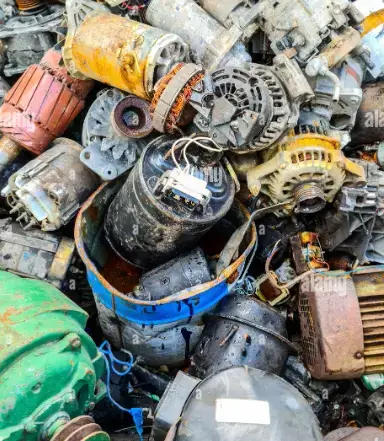
Electric motors and compressors are mechanical devices used to power machines or compress gases in systems such as refrigeration, HVAC, and industrial processing equipment. When these units reach the end of their operational life, they become valuable recyclable commodities.
Typical sources include:
-
Industrial machinery and factory equipment
-
Air conditioning and refrigeration systems
-
Automotive components
-
Household appliances such as washing machines and refrigerators
-
Construction and mining equipment
Inside these units are copper windings, aluminium parts, and heavy steel casings, all of which have significant value in the recycling market.
Valuable Metals Recovered
The primary reason electric motors and compressors are widely traded internationally is their high metal content.
Key recoverable materials include:
Copper – Electric motors contain tightly wound copper coils used for electrical conductivity. Copper is one of the most valuable metals in scrap motors due to its strong global demand in electrical infrastructure and manufacturing.
Aluminium – Some motors and compressors use aluminium windings or housings, providing a lighter but still valuable recyclable material.
Steel and Iron – The external casing and structural components are usually made from steel, which can be melted down and reused in steel production.
Because of this combination of metals, scrap motors and compressors are often classified as mixed non-ferrous scrap with attached ferrous content, making them attractive to recycling operations worldwide.
The Global Scrap Supply Chain
The international supply chain for electric motor and compressor scrap typically follows several stages.
1. Collection
Scrap is gathered from multiple sources including industrial facilities, demolition projects, scrap yards, and electronic waste recyclers. Many recycling companies specialize in collecting large volumes of motors and compressors from factories, maintenance contractors, and appliance recycling programs.
2. Sorting and Processing
Before export, the scrap is inspected and sorted. This may include:
-
Removing excessive contamination
-
Separating oversized units
-
Preparing materials for container loading
-
Sometimes partial dismantling to improve metal recovery value
Depending on the buyer’s requirements, materials may be exported as whole units or pre-processed scrap.
3. Containerization and Export
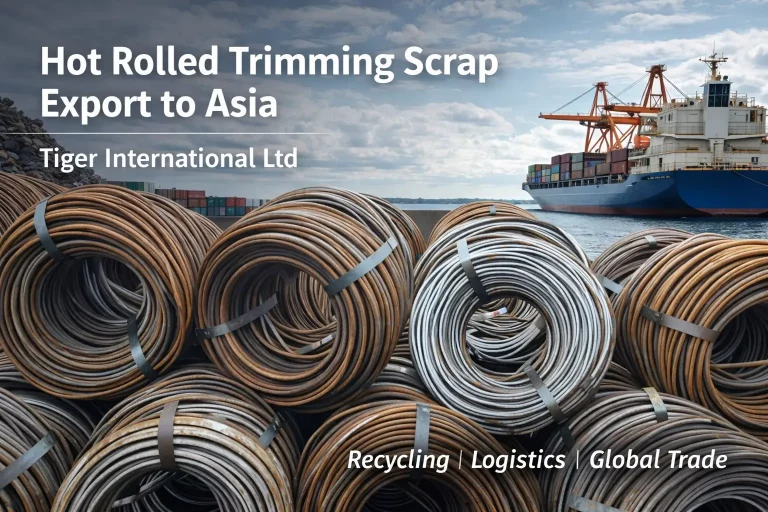
Large quantities are typically shipped internationally using containerized freight. Containers allow efficient transport from recycling yards to overseas smelters and processors.
Major export destinations often include:
-
Southeast Asia
-
South Asia
-
East Asia
These regions have large recycling and metal processing industries capable of recovering copper and other metals from complex scrap materials.
Why Asian Markets Are Major Buyers
Asia has become the primary destination for many types of scrap metal due to its rapid industrial growth and large manufacturing base.
Electric motors and compressor scrap are particularly attractive because they contain concentrated amounts of copper and other metals used in:
-
Electrical equipment manufacturing
-
Construction and infrastructure
-
Automotive production
-
Renewable energy systems
Many smelters and specialized recyclers in Asia have advanced technologies that efficiently recover metals from mixed scrap components.
Environmental Benefits of Recycling Motors and Compressors
Recycling electric motors and compressors delivers significant environmental advantages.
Reduced Mining Demand
Recovering copper and aluminium from scrap reduces the need for new mining operations, conserving natural resources.
Lower Energy Consumption
Producing metals from recycled material requires far less energy than producing them from raw ore.
Waste Reduction
Recycling prevents large industrial components from ending up in landfills, keeping valuable materials in circulation.
These benefits make motor and compressor recycling an important part of the global sustainability movement.
Market Trends
Demand for scrap motors and compressors has grown steadily due to several global trends:
-
Expansion of electrification and infrastructure projects
-
Increasing copper demand from renewable energy and power networks
-
Rapid industrialization in developing economies
-
Strong recycling policies encouraging circular material flows
As industries worldwide continue to replace and upgrade machinery, the supply of recyclable motors and compressors will remain strong.
Conclusion
The export of scrap electric motors and compressors represents a vital segment of the global metal recycling industry. These components contain valuable metals that can be recovered and reused in manufacturing, helping reduce environmental impact while supporting industrial growth. Scrap metal traders like Tiger International Limited are purchasing scrap electric motors and compressors from scrap yards around the world.
Through efficient collection, processing, and international trade, recycling companies help ensure that valuable materials such as copper, aluminium, and steel are returned to the production cycle. As demand for recycled metals continues to grow worldwide, the global trade in motor and compressor scrap will remain an essential part of the modern circular economy.