Global Scrap Metal Exports: Working with scrap yards to International Markets
The Growing Importance of Global Scrap Metal Recycling
The global scrap metal industry continues to play a critical role in supporting manufacturing, infrastructure, and sustainable industrial growth. As demand for recycled raw materials increases worldwide, scrap metal exporters help like Tiger International Limited connect local recycling yards and industrial suppliers with international markets that rely on secondary metals for production.
From ferrous scrap such as steel and cast iron to non-ferrous materials including copper, aluminium, electric motors, and compressors, recycled metals are now an essential part of the modern global supply chain.
With increasing pressure on industries to reduce carbon emissions and improve sustainability, the importance of recycling and exporting scrap metal has never been greater.
The Role of Scrap Metal Exporters
Scrap metal exporters like Tiger International Limited act as a bridge between scrap suppliers and overseas consumers. Their role extends beyond simply buying and selling material.
A professional exporter manages:
- Scrap sourcing and procurement
- Metal scrap financing
- Material grading and quality control
- Container loading and logistics
- International shipping documentation
- Compliance with export regulations
- Relationships with overseas buyers and processors
Efficient export operations allow scrap yards and industrial suppliers to access international demand and improve the value of recyclable materials.
Why Global Demand for Scrap Metal Is Growing
The demand for recycled metals continues to rise due to several long-term global trends.
Infrastructure Development
Developing economies continue to invest heavily in infrastructure, construction, transportation, and manufacturing. Steel mills and metal processors increasingly rely on recycled feedstock to support production.
Electrification and Energy Transition
Copper, aluminium, and steel are all essential materials used in renewable energy systems, electric vehicles, power grids, and industrial electrification projects. Recycled metals help meet growing demand while reducing environmental impact.
Sustainability and Carbon Reduction
Recycling scrap metal requires significantly less energy than producing metals from raw ore. Governments and industries worldwide are focusing on circular economy models that encourage higher recycling rates and reduced landfill waste.
Key Scrap Metal Grades in International Trade
The international scrap market includes a wide variety of materials.
Ferrous Scrap
Ferrous scrap contains iron and steel and is commonly used in steelmaking.
Popular export grades include:
- Heavy Melting Scrap (HMS)
- Plate and Structural Scrap (P&S)
- Steel Turnings
- Rail Scrap
- Train Wheel Scrap
- Shredded Steel Scrap
These materials are widely used in electric arc furnace steel production.
Non-Ferrous Scrap
Non-ferrous metals are often more valuable due to their conductivity and industrial applications.
Key non-ferrous export materials include:
- Copper Scrap
- Aluminium Scrap
- Brass Scrap
- Electric Motor Scrap
- Compressor Scrap
- Copper Cable Scrap
These materials are processed and recycled into new industrial products globally.
Containerized Scrap Metal Exports
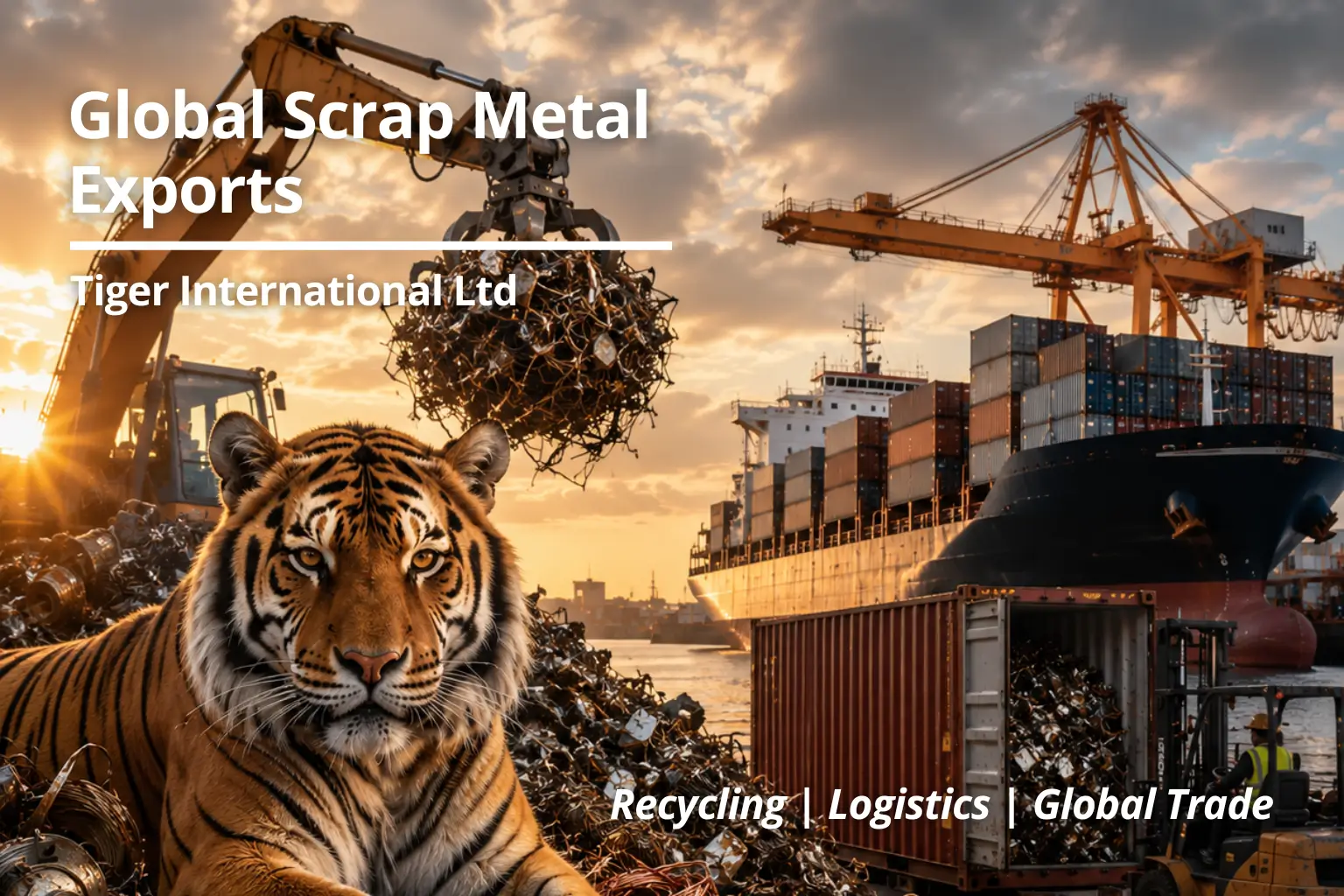
Container shipping has become one of the most efficient methods for transporting scrap metal internationally.
Containerized exports allow exporters to:
- Move smaller and mixed grades efficiently
- Improve cargo handling and security
- Access global buyers more competitively
- Reduce material contamination during transport
Many recycling companies and scrap yards prefer container exports due to flexibility and reliable logistics networks.
Building Long-Term Relationships in the Recycling Industry
The scrap metal industry is heavily relationship-driven. Long-term partnerships between suppliers, recyclers, processors, and exporters are critical to maintaining consistent material flow and operational efficiency.
Successful exporters focus on:
- Reliable payments
- Transparent communication
- Consistent quality requirements
- Strong logistics coordination
- Market knowledge and pricing expertise
As global recycling demand grows, companies that build trusted supply chains will continue to strengthen their position within the international market.
The Future of the Global Scrap Metal Industry
The future of scrap metal recycling remains strong as industries worldwide continue to prioritize sustainability and resource efficiency.
Several trends are expected to drive future growth:
- Expansion of electric arc furnace steelmaking
- Increased demand for recycled copper and aluminium
- Growth in renewable energy infrastructure
- Rising environmental regulations
- Greater emphasis on circular economies
Scrap metal will remain a critical raw material supporting industrial growth while helping reduce environmental impact.
Conclusion
Global scrap metal exports are an essential part of the modern recycling industry. By connecting recycling yards and industrial suppliers with international markets, exporters of scrap metal like Tiger International Limited help ensure valuable metals are recovered, reused, and returned to the manufacturing cycle.
As worldwide demand for recycled materials continues to grow, strong logistics, reliable supply chains, and experienced international trade partners will remain vital to the future of the scrap metal sector.